

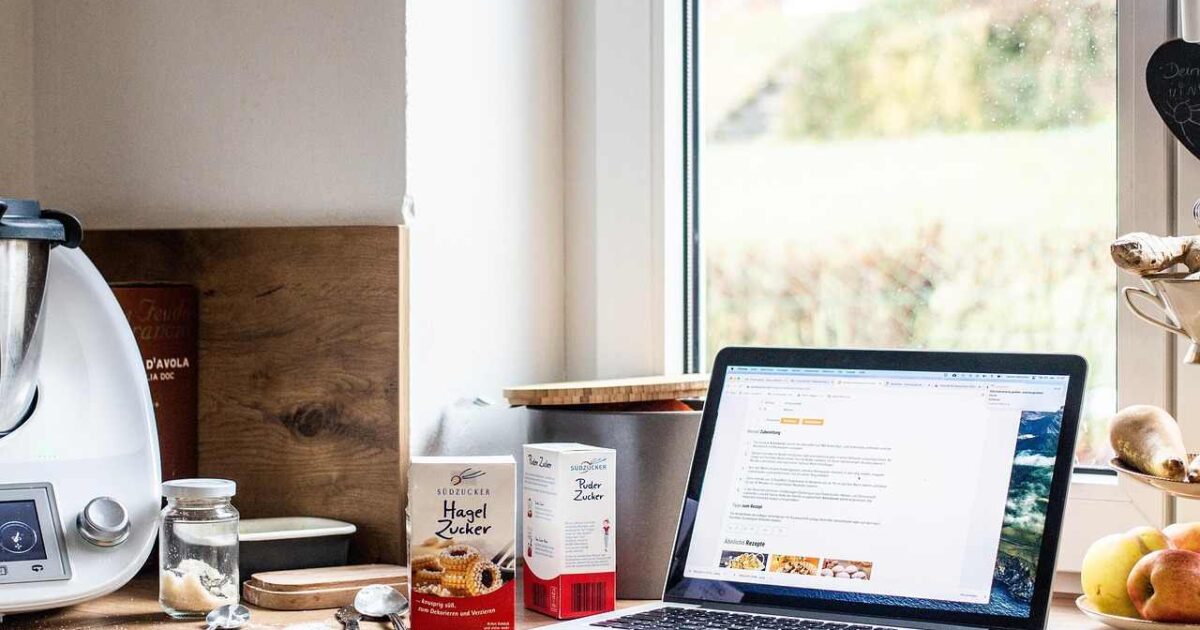
This started as a personal want, not a product plan. I wanted my own digital recipe directory: one place on my own site where every recipe I cared about lived, looked the way I wanted, and could be searched, printed and shared.
I’ve been designing for the web for over 20 years, from slicing layouts in Photoshop to hand-coding HTML. So when I couldn’t find a recipe setup I liked, my instinct was the same one I’ve always had: build it.
A few weeks later, that little directory is Recipe WP, a free recipe plugin for WordPress with a paid Pro add-on, a companion theme and its own store at recipewp.com. Here’s how it got there.
 It started with pasta
I run Pasta Posts, a Facebook group where people share pasta recipes, and I own PastaPosts.com. The site was supposed to be the home for those recipes.
There are good recipe plugins out there: WP Recipe Maker, Tasty, Delicious, Cooked and others. But I wanted something I controlled from the ground up, with a look that matched the site in my head, and nothing locked to someone else’s service.
I also had one rule from day one: anything that ships with the site has to be transferable. If I ever sell PastaPosts.com, the buyer should get everything, with no stock icon licenses or services that don’t move with it. That rule shaped more decisions than any design choice. It’s why the plugin ships with 17 original pasta-shape icons instead of an icon pack, and why the email list lives in WordPress instead of a third-party account.
 Building it, one real problem at a time
I built Recipe WP with AI as my coding partner. I directed, tested and caught problems; the AI wrote and checked the code. Honestly, I think designers who started out slicing Photoshop files into HTML are exactly who this way of working was made for. We can see the whole design before a brick is laid, and we know enough code to spot when something’s off.
A few moments along the way that stuck with me:
- One sentence set the look. After the first theme pass I said it had “an old Betty Crocker cookbook feel.” That became everything: aged paper, index cards, typewriter labels. Later, the ink smudges in the corners finally looked like “a handled book from turning pages,” which is exactly what I was going for.
- The eye still matters. I spotted a faint one-pixel line on the edge of a texture image that no automated test would ever catch. A share menu passed its tests too, and then I found on the live site that “Copy link” couldn’t be clicked.
- 2,215 recipes from a PDF. I had rights to a few cookbooks with thousands of basic recipes. We turned a 2,281-page PDF into recipes on the site in about 80 seconds. Testing at that scale caught a bug that would have silently dropped recipes from big collections.
- A question turned into a feature. I asked whether Pinterest would work with recipe pins. The real gap was the image: Pinterest wants tall images and recipe photos are wide. My idea was a snapshot: the photo fading into paper with a peek at the recipe. It went from idea to a live pin in under two hours.
- The product is the work on top. Anyone can find PLR recipe text, so those books are free email bonuses. What I’ll sell is what only I can make: recipes I’ve actually cooked. That’s where the Kitchen-Tested stamp came from.
- Not an ad farm. I want PastaPosts to be a real community site. That’s why Pro’s money-making side is a “What I Used” box of products I recommend, not more ad slots.
 When it stopped being just mine
Somewhere along the way I noticed I wasn’t building a pasta plugin. I was building a recipe plugin that happened to be wearing pasta. So I made it general: any cuisine, or one focus if you want it, with Pasta as a preset instead of the whole point.
The name came next. I chose Recipe WP instead of branding it Pasta Posts, so it could stand on its own. PastaPosts.com became the live demo and the proving ground: every feature ran on more than 2,200 real recipes before anyone else saw it.
The business model followed the same thinking. The core plugin is free and open source, with no crippled trial. Pro is one add-on for people who earn from their blogs: affiliate products, recipe versioning, custom pin layouts and, on Business, recipe checks. One of the Pro ideas came from my own worry that the pin images might lose their luster “if everyone’s pins are exactly the same.”
Then came everything a real product needs: a store, license keys, automatic updates, a help center and PayPal subscriptions, all running on recipewp.com. A few days before launch, Bing’s AI summary was already describing Recipe WP on its own, features and pricing included. That was the moment it felt real.
![]() What’s next
I’m still working through the recipes on PastaPosts.com, cooking them myself and stamping the ones that earn it. More themes are coming, starting with Executive Chef, a glossy magazine-style theme with room for restaurant and kitchen photography.
If you run a food blog, or you’ve just wanted a better home for your own recipes, give it a try. The free plugin is at recipewp.com/download, and you can see it working on PastaPosts.com.
It started as a place for my recipes. I hope it becomes a place for yours.